The Evolution of Handbag Design: A Historical Perspective
The evolution of handbag design is a fascinating journey through history, reflecting societal shifts, technological advancements, and changing fashion trends. From simple pouches to elaborate status symbols, handbags have always been more than just functional accessories. This article explores the historical perspective of handbag design, showcases specific product recommendations, compares different styles, and provides pricing information to guide your next purchase.
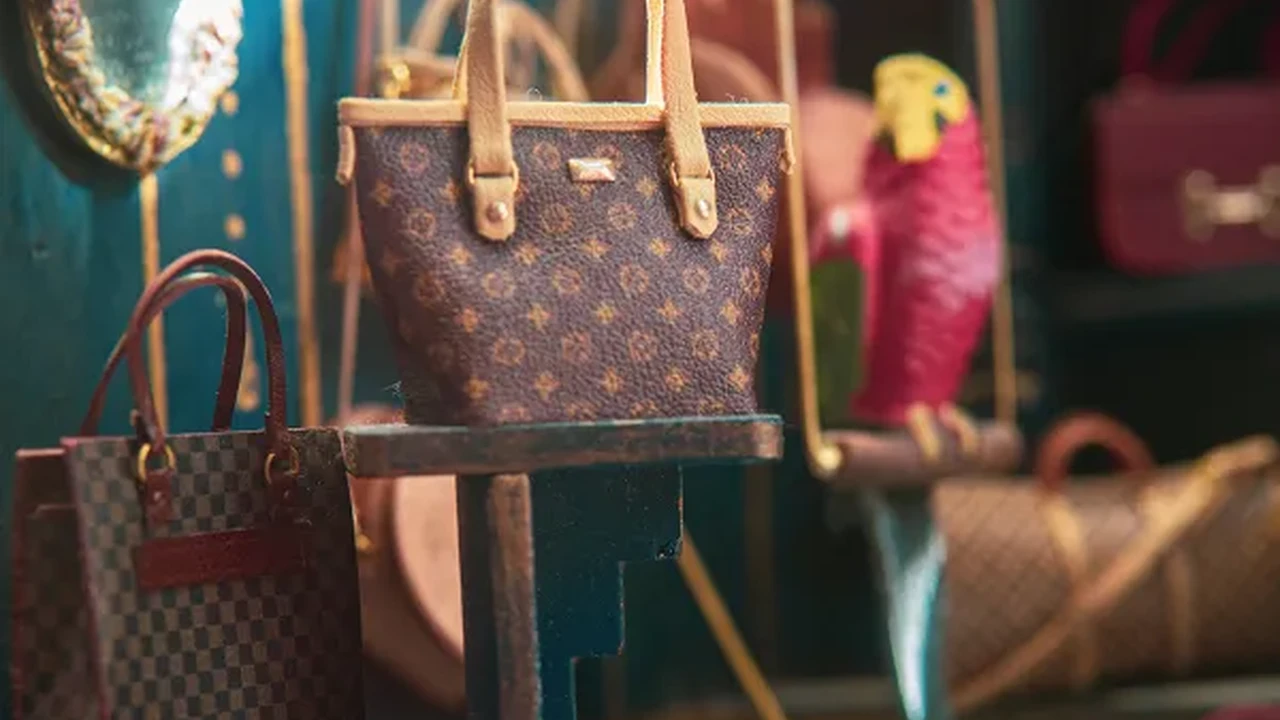
Handbags, in their myriad forms, have been essential accessories for centuries. Their evolution mirrors the changing needs and desires of society, reflecting technological advancements, artistic movements, and the ever-shifting landscape of fashion. Let's delve into the fascinating history of handbag design.
Ancient Origins and Early Forms of Handbags for Practicality
The earliest forms of handbags were primarily functional. Ancient civilizations used pouches and bags made from animal hides or woven materials to carry essential items like food, tools, and personal belongings. These early bags were often attached to belts or worn around the waist, emphasizing practicality over aesthetics. Examples include the simple leather pouches used by Roman soldiers and the elaborately decorated bags carried by ancient Egyptians.
The Renaissance and the Rise of the Reticule: Handbag Style and Social Status
During the Renaissance, as clothing became more elaborate and pockets disappeared from women's garments, the need for a dedicated carrying accessory grew. This led to the emergence of the reticule, a small, often drawstring pouch made from fabric or netting. Reticules became a symbol of status and were often adorned with intricate embroidery, beads, and other embellishments. The size and decoration of a reticule indicated the wearer's wealth and social standing. Key materials included silk, velvet, and fine leather.
The 19th Century: Industrial Revolution and the Modern Handbag's Birth for Functionality
The 19th century witnessed significant changes in handbag design, driven by the Industrial Revolution and the rise of mass production. The introduction of new materials like metal frames and improved leather tanning techniques allowed for the creation of more durable and structured handbags. The carpet bag, a large, sturdy bag made from woven carpet fabric, became popular for travel. The Gladstone bag, a leather satchel with a hinged frame, emerged as a practical choice for professionals. This era solidified the handbag's role as both a functional and fashionable accessory. Brands like Hermès began to establish themselves during this period, focusing on quality craftsmanship and durable materials.
The 20th Century: Handbag Innovation, Fashion Icons, and Designer Brands
The 20th century saw an explosion of handbag styles and designs, reflecting the rapid changes in fashion and society. The Art Deco era brought geometric shapes and luxurious materials like bakelite and exotic skins. The mid-century saw the rise of iconic handbags like the Chanel 2.55, with its quilted leather and chain strap, and the Hermès Kelly bag, named after Grace Kelly. Designer brands like Gucci, Louis Vuitton, and Prada gained international recognition, creating coveted handbags that became symbols of luxury and status. From the practical tote bags of the 1960s to the statement clutches of the 1980s, handbags reflected the diverse styles and attitudes of each decade.
21st Century Handbags: Sustainability, Technology, and Personal Expression
Today, handbag design is characterized by a focus on sustainability, technology, and personal expression. Designers are experimenting with eco-friendly materials like recycled fabrics and plant-based leather alternatives. Smart handbags with built-in charging ports and tracking devices are becoming increasingly popular. Consumers are seeking out unique and personalized handbags that reflect their individual style and values. The rise of social media has also played a significant role, with influencers and celebrities driving trends and promoting emerging brands. Customization options, such as personalized monograms and interchangeable straps, allow consumers to create truly one-of-a-kind handbags.
Specific Handbag Recommendations: Styles, Usage, and Pricing
The Classic Leather Tote Bag: Versatile and Timeless Handbag Style
A classic leather tote bag is a versatile and timeless addition to any wardrobe. Ideal for work, travel, or everyday errands, a well-made leather tote can hold everything from a laptop and documents to a water bottle and snacks. Look for a tote with sturdy handles, a spacious interior, and a secure closure.
Usage: Perfect for carrying essentials to work, shopping, or traveling.
Recommendations:
- Cuyana Classic Structured Leather Tote: Made from Italian leather, this tote is known for its durability and minimalist design. Price: $195.
- Madewell Transport Tote: A more affordable option, the Madewell Transport Tote is made from vegetable-tanned leather and features a convenient interior pocket. Price: $168.
The Stylish Crossbody Bag: Comfort and Convenience with Designer Flair
A crossbody bag offers comfort and convenience, allowing you to keep your hands free while carrying your essentials. Choose a crossbody bag in a durable material like leather or nylon, with an adjustable strap for a comfortable fit. Crossbody bags are available in a wide range of sizes and styles, from compact mini bags to larger messenger bags.
Usage: Ideal for everyday use, travel, and outdoor activities.
Recommendations:
- Rebecca Minkoff Regan Crossbody: A stylish and versatile crossbody bag made from pebbled leather. Price: $198.
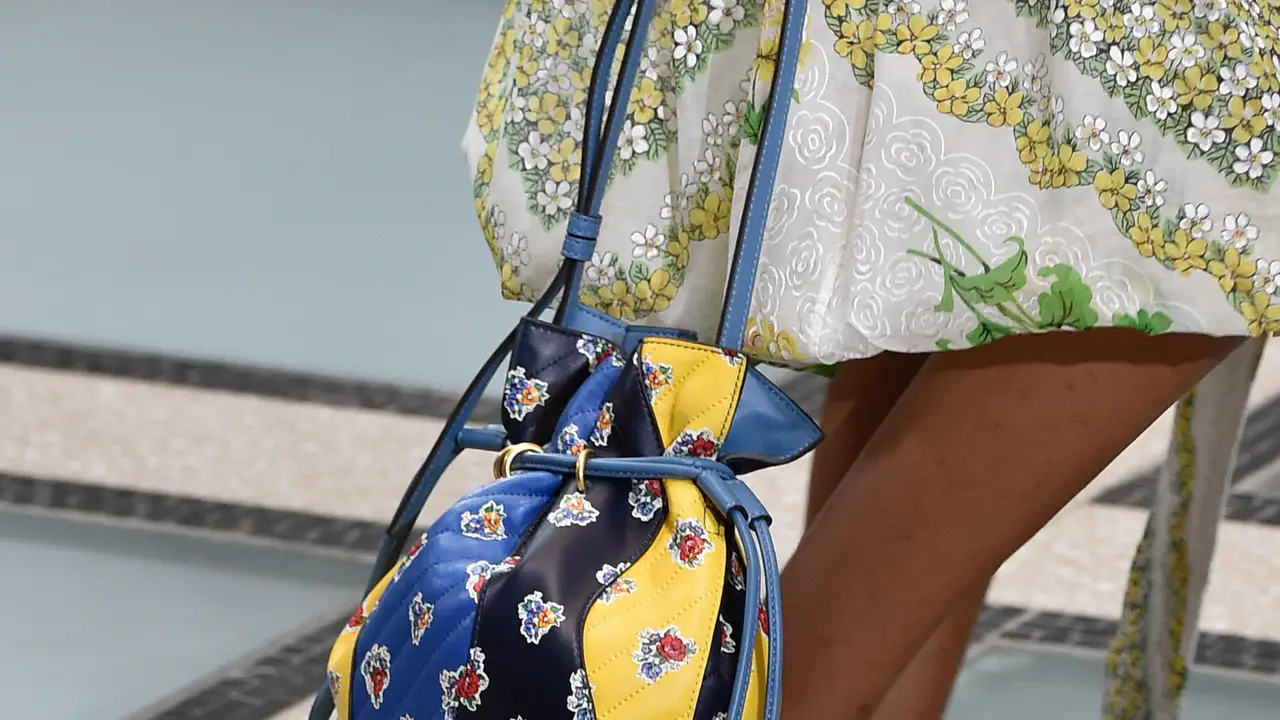
- Tory Burch Perry Bombé Mini Bag: A compact and chic crossbody bag perfect for carrying essentials. Price: $298.
The Elegant Clutch: Evening Glamour for Special Occasions
A clutch is the perfect accessory for evening events and special occasions. Choose a clutch in a luxurious material like velvet, satin, or leather, with embellishments like beads, sequins, or crystals. A clutch should be large enough to hold your phone, keys, and lipstick, but small enough to carry comfortably in your hand.
Usage: Ideal for parties, weddings, and other formal events.
Recommendations:
- Jimmy Choo Cloud Clutch: A stunning crystal-embellished clutch that adds a touch of glamour to any outfit. Price: $2,595.
- ASOS Design Satin Knot Clutch Bag: A more affordable option, this satin clutch features a stylish knot detail. Price: $30.
The Backpack: Practical and Fashionable for Modern Lifestyles
Backpacks are no longer just for students; they have become a fashionable and practical choice for modern lifestyles. Look for a backpack with comfortable straps, multiple compartments, and a durable material. Leather backpacks offer a sophisticated look, while nylon backpacks are lightweight and water-resistant.
Usage: Ideal for commuting, travel, and everyday activities.
Recommendations:
- Tumi Voyageur Carson Backpack: A stylish and functional backpack with multiple compartments and a padded laptop sleeve. Price: $395.
- Herschel Supply Co. Classic Backpack: A classic and affordable backpack available in a variety of colors and patterns. Price: $55.
Comparing Different Handbag Styles: Functionality and Fashion
Choosing the right handbag depends on your individual needs and preferences. Consider the following factors when comparing different handbag styles:
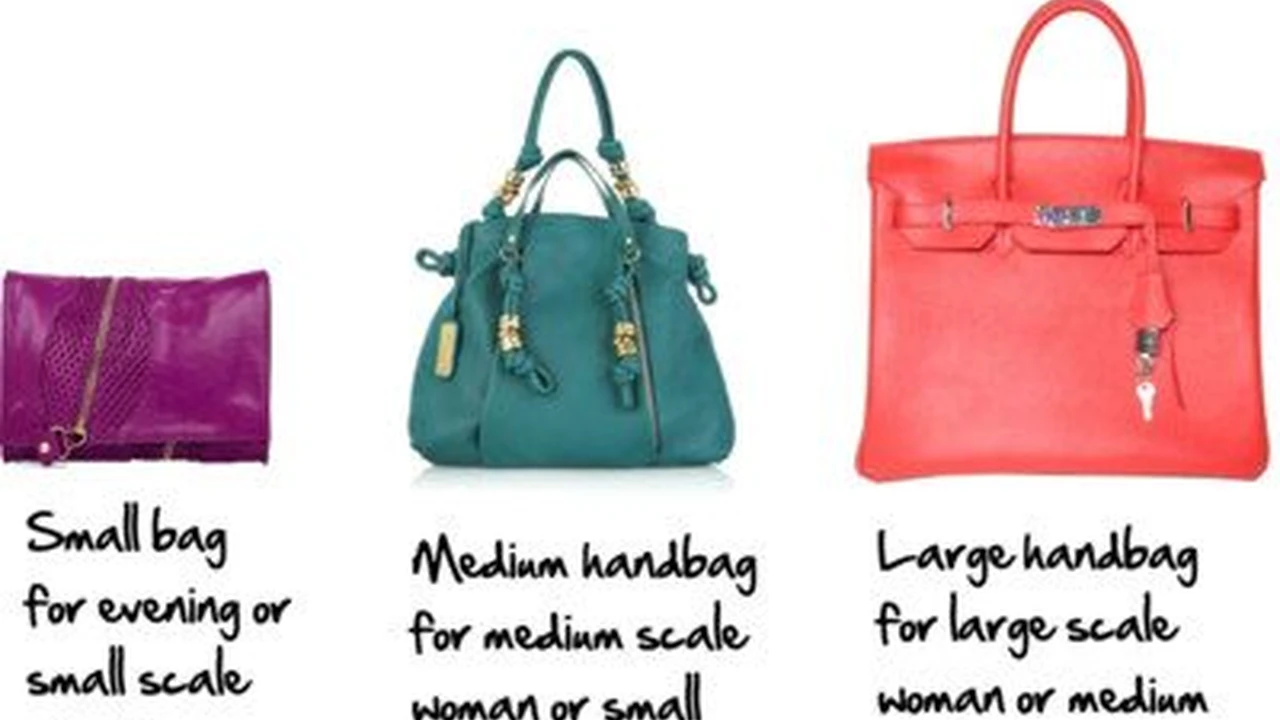
- Size: How much do you need to carry?
- Material: Leather, nylon, canvas, or other materials?
- Style: Tote, crossbody, clutch, backpack, or other styles?
- Price: How much are you willing to spend?
- Functionality: Does the bag have enough compartments and pockets?
- Durability: Will the bag withstand daily wear and tear?
For example, a tote bag is a good choice for carrying a lot of items, while a crossbody bag is more convenient for keeping your hands free. A clutch is perfect for evening events, while a backpack is ideal for commuting or travel. Consider your lifestyle and the types of activities you engage in when choosing a handbag.
Handbag Pricing and Value: Investment vs. Trend
Handbag prices can range from under $50 for a basic bag to thousands of dollars for a designer bag. When considering the price of a handbag, think about whether you are buying an investment piece or a trendy item. An investment piece is a classic handbag that will last for years and retain its value, while a trendy item is a more fashionable bag that may only be in style for a season or two.
Factors that influence handbag prices include:
- Material: High-quality leather and exotic skins are more expensive.
- Brand: Designer brands command higher prices due to their reputation and craftsmanship.
- Craftsmanship: Handcrafted bags are more expensive than mass-produced bags.
- Features: Bags with special features like built-in charging ports or tracking devices may cost more.
Ultimately, the value of a handbag is subjective and depends on your individual needs and preferences. Consider your budget, your lifestyle, and the types of activities you engage in when choosing a handbag.
:max_bytes(150000):strip_icc()/277019-baked-pork-chops-with-cream-of-mushroom-soup-DDMFS-beauty-4x3-BG-7505-5762b731cf30447d9cbbbbbf387beafa.jpg)